Our mission
The Campaign for Owain’s Law is a national campaign to give patients more control around how their brain tumour tissue is handled in the NHS. It was created by Ellie James in memory of her husband, Owain, who died of brain cancer in 2024 after only a small part of his tumour was ‘flash frozen’. This limited his access to a personalised cancer vaccine that had shown remarkable results in treating his cancer.
Right now, tissue storage practices can vary widely between hospitals and trusts. Typically, brain tumour tissue is fixed in formalin and embedded in paraffin wax rather than being fresh frozen to nationally recognised standards. This means precious samples which could be used in new technologies such as whole genome sequencing, personalised therapies and cutting-edge research are often lost forever.
The biggest cancer killer for people under 40
Brain tumours are the biggest cancer killer of children and adults under 40 in the UK and high-grade brain tumours reduce life expectancy by the highest of any cancer (on average 27 years).
Just 13% of adults survive for five years after a high-grade brain tumour diagnosis, and only 42% of adults survive even one year after diagnosis.
Any improvements to this will depend heavily on the development of new technologies, which in turn often rely on the availability of fresh-frozen tissue. Unfortunately, tissue storage processes may therefore be holding back progress on the survival of brain cancer.
To fix this, Owain’s Law calls for a simple, practical change: every suitable brain tumour sample should be fresh-frozen after surgery, and patients should be fully informed and in control of what happens to their tissue. By improving consent procedures and freezer capacity across the NHS, the campaign aims to unlock access to life-extending treatments for today’s patients and speed up the search for better options for tomorrow.
Consent and Patient Choice
At the moment, many patients and families aren’t informed that the way in which their tumour tissue is stored can shape which treatments and trials are available to them. Sometimes no-one explains the difference between formalin-fixed paraffin-enabled (FFPE) storage and fresh-frozen storage or asks patients whether they want their tissue kept for future treatment or research. Decisions that could change the course of someone’s care are made without their knowledge.
Owain’s Law puts patients’ rights back at the centre of the treatment process. It would guarantee every brain tumour patient the right to decide how their tissue is preserved – should the option be available – and how it is used over time. Tumour samples would remain the property of the patient, and any use – whether for personalised care, research or both – would be governed by clear, informed consent rather than assumptions made in a busy theatre or pathology lab.
By making consent meaningful, the campaign aims to ensure that no family later discovers that vital tissue was discarded or stored in a way that closed off a chance of advanced treatment – a decision that should always have been theirs.
Freezer Capacity
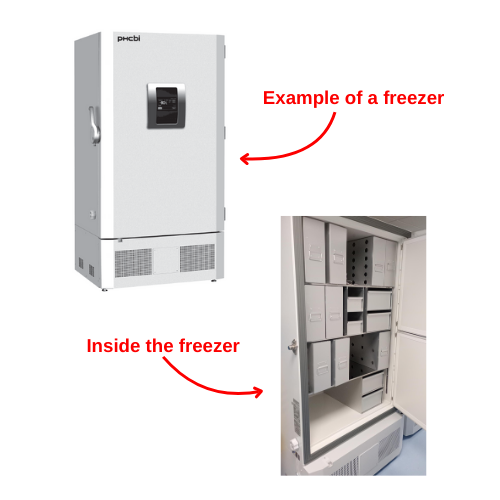
Even when patients want their tumour tissue preserved for future treatment, certain areas do not necessarily have the freezer capacity or infrastructure needed to fresh freeze tissue. Pathology services take understandable decisions according to their resources, and sometimes it is not possible for them to offer to freeze tissue. In many hospitals there may be too few ultra-low temperature freezers, not enough space, or limited staff experience or time to handle fresh-frozen samples to the standard recommended by specialists.
The result is a hidden bottleneck in brain cancer care. Without the required infrastructure and training, it is impossible to offer fresh-frozen storage to every eligible patient. Most tissue continues to be kept in wax as a result, with all the consequences to patients that brings.
A cost effective solution
Expanding current tissue freezing capabilities and protocols is seen as a priority by leading organisations in the brain cancer space including the Brain Tumour Charity, Tessa Jowell Cancer Mission, the British Neuro-Oncology Society (BNOS), Our Brain Bank.
calling the government to action
Owain’s Law proposes a national, joined-up solution. For a relatively modest level of investment in freezers, infrastructure and training, the NHS could ensure that suitable tissue from every brain tumour operation is stored properly. That would give many more patients a genuine chance to benefit from the next generation of life-extending treatments.
If you would like to should your support and raise this issue with your local MP, please click here.